
Solving Real Problems Through UX Design
WordPress (Elementor)
Development
As a UX Designer, I thrive on uncovering user needs and translating them into seamless digital experiences. Each project below showcases how I combine research, collaboration, and design thinking to solve real-world challenges—whether it’s simplifying complex SaaS workflows, improving accessibility, or optimizing onboarding flows. These are not just design deliverables—they’re stories of problems solved and impact delivered.
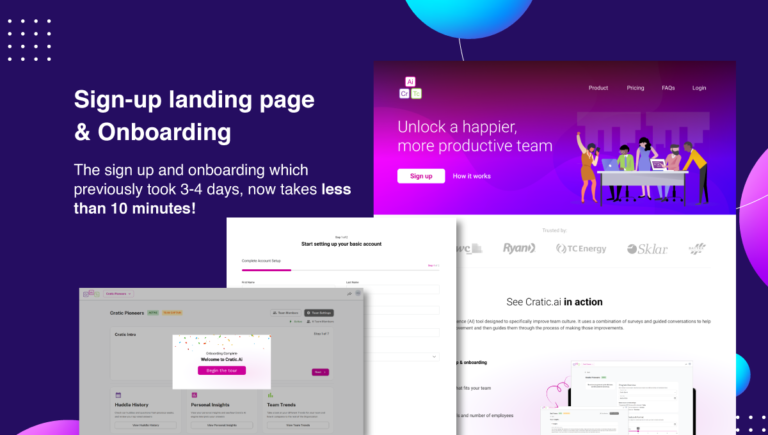
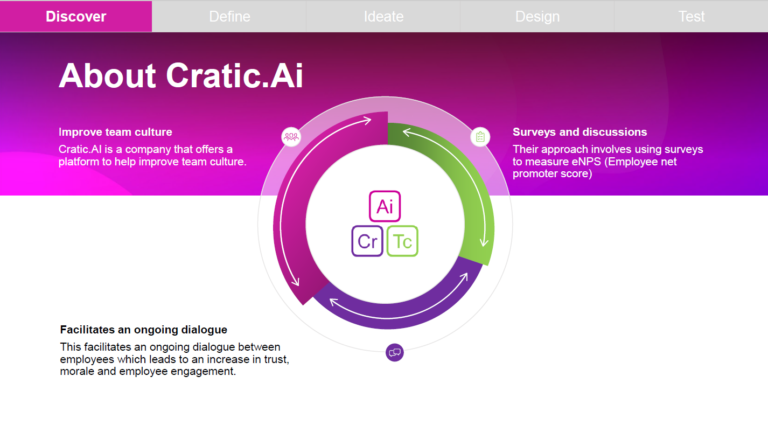
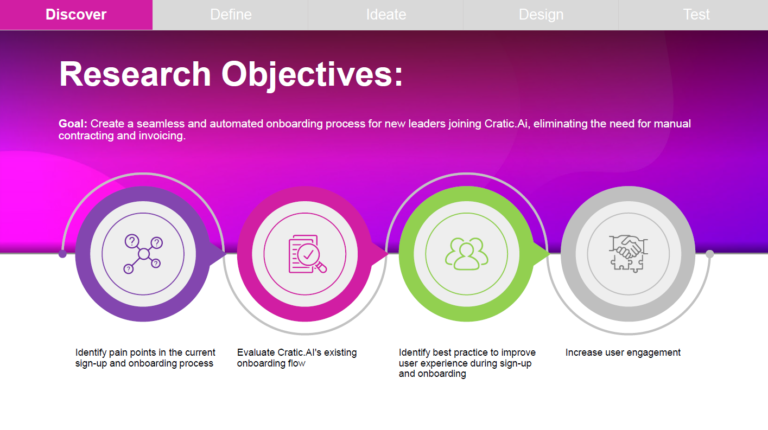
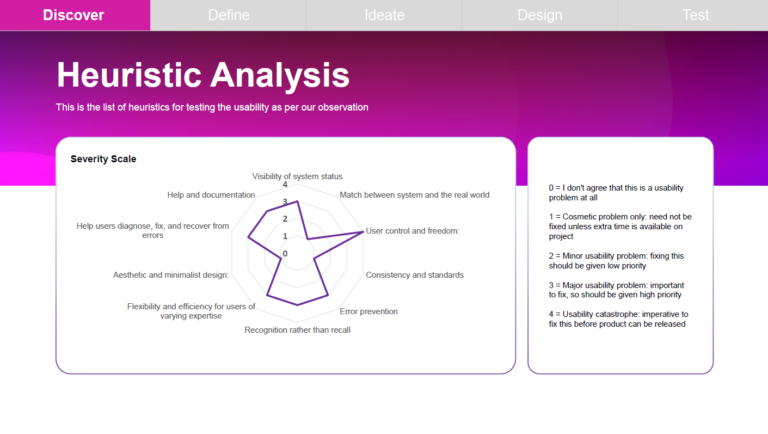
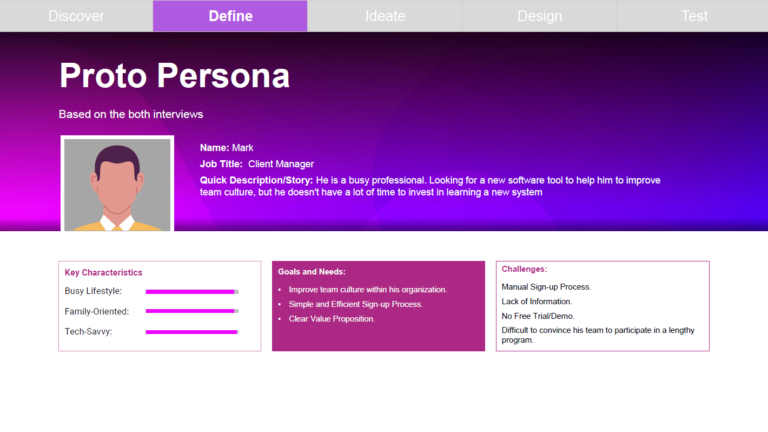
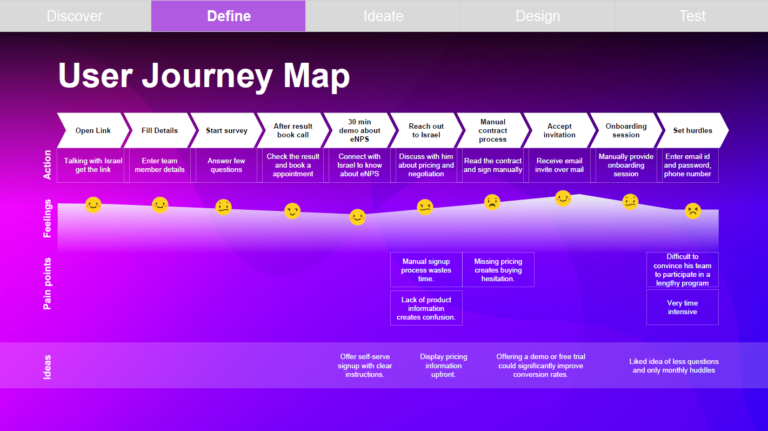
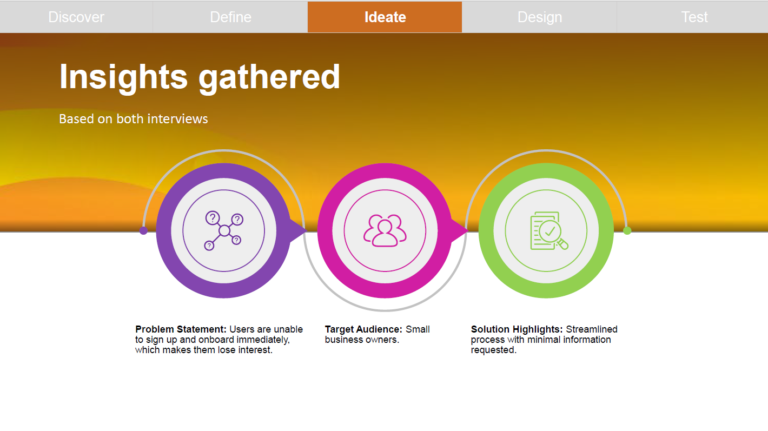
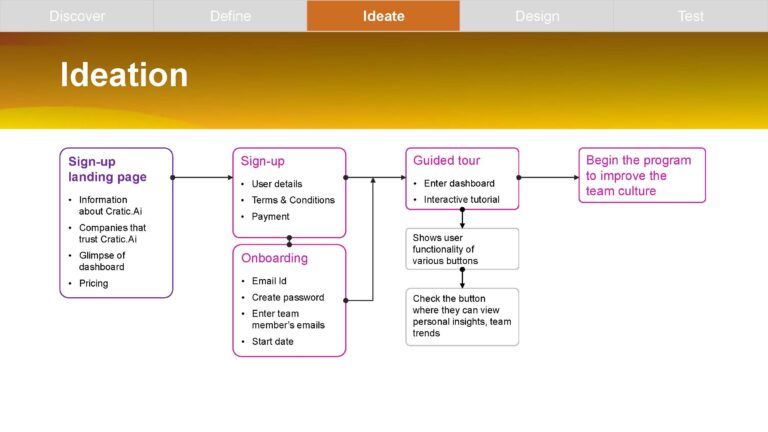
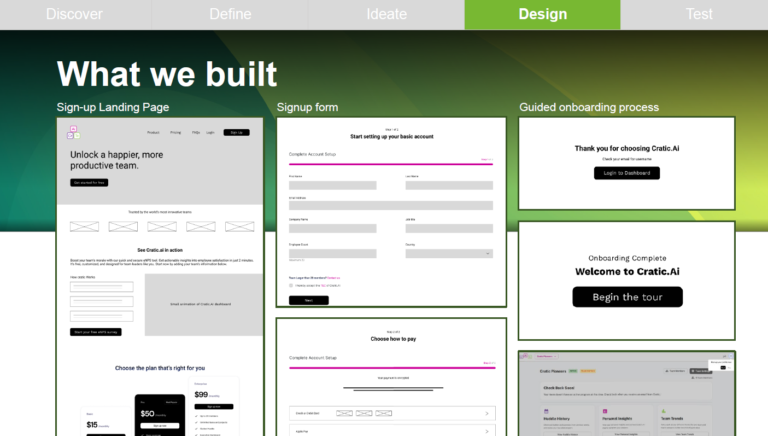
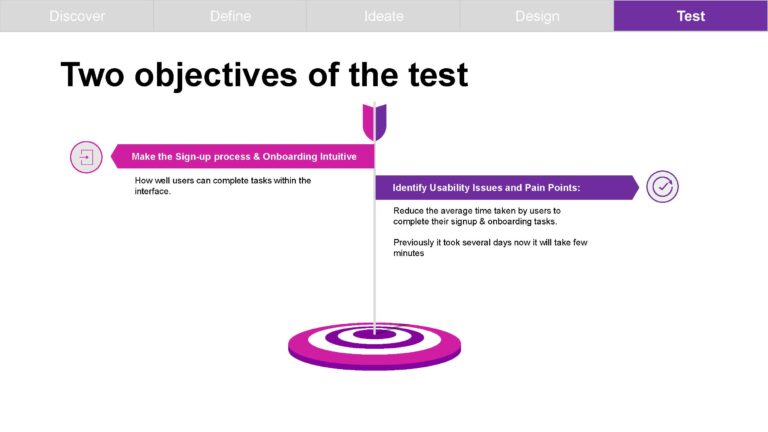
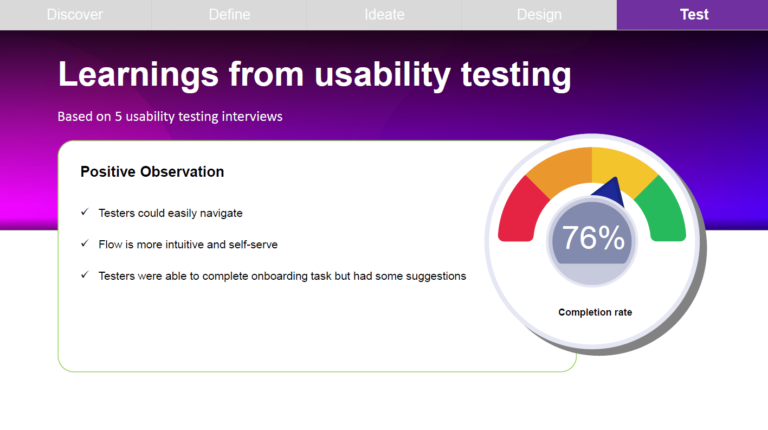
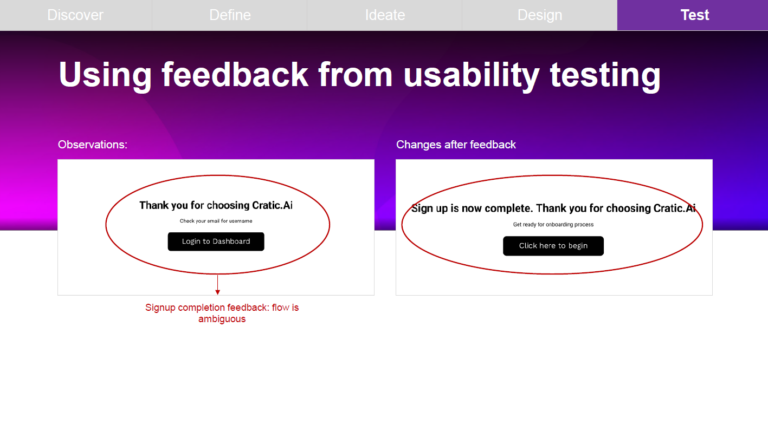
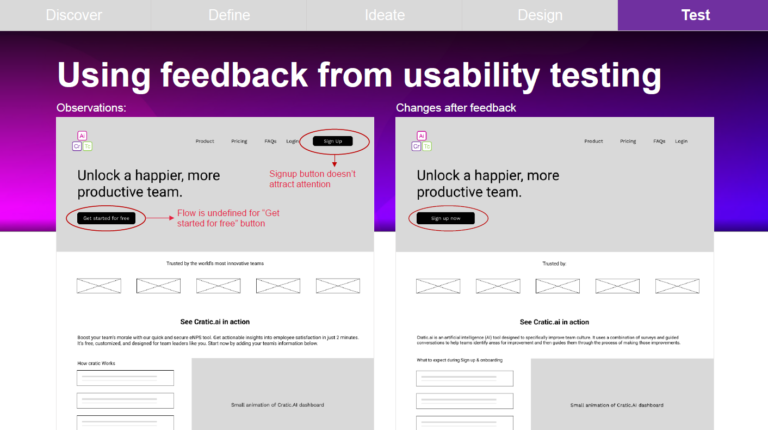
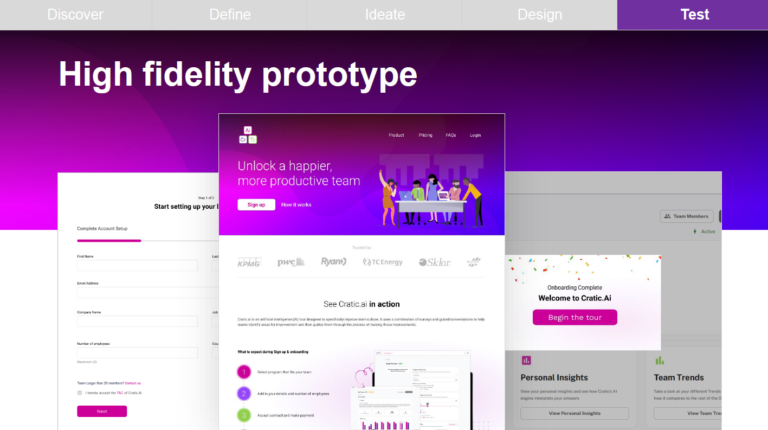
For Cractic.AI, I followed a user-centered design approach grounded in research, iteration, and collaboration. I began by conducting in-depth user interviews and usability audits to identify key pain points in the existing dashboard. Using insights from this research, I mapped user journeys and created low-fidelity wireframes to explore layout and functionality improvements. Through multiple rounds of user testing, I validated and refined my designs to ensure they aligned with real user needs. The sign-up and onboarding, which previously took 3-4 days, now take less than 10 minutes! Below is the complete process. Below is a detailed breakdown of the process I followed:


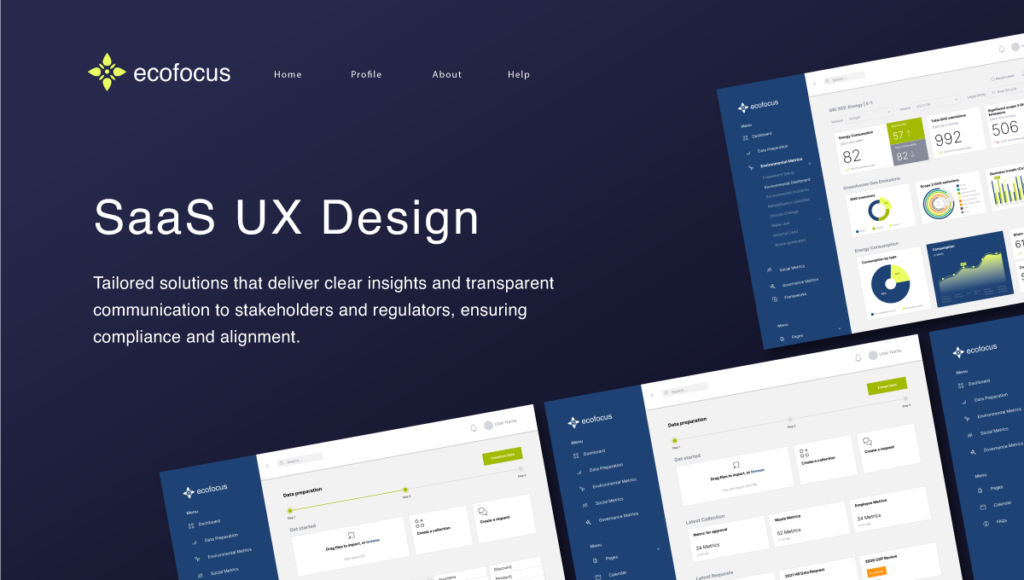
At EcoFocus, I developed a comprehensive SaaS dashboard for managing and analyzing environmental data. I applied a structured UX process focused on clarity, usability, and data accessibility. I began by conducting stakeholder interviews and analyzing user workflows to understand how environmental data was currently being used. From there, I mapped out user personas and pain points to guide design decisions. I created wireframes and prototypes in Figma, then conducted usability tests to validate layout, hierarchy, and functionality.
On the front-end, I collaborated with developers to ensure components were responsive, accessible, and aligned with WCAG 2.1 AA guidelines.
For this project, we focused on designing a user-centric interface tailored to the needs of hydroponic farmers. We started by gathering insights through user interviews and field research to understand the key challenges farmers face when monitoring crops. Based on these findings, we mapped out critical data touchpoints—such as crop health, nutrient levels, and environmental conditions—and prioritized them in the interface layout.